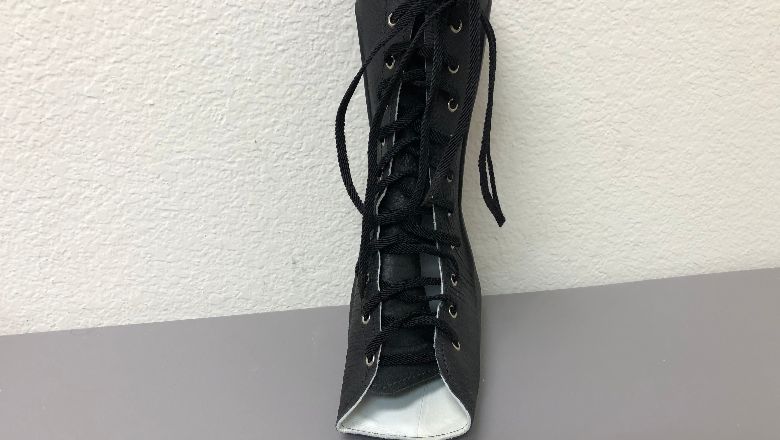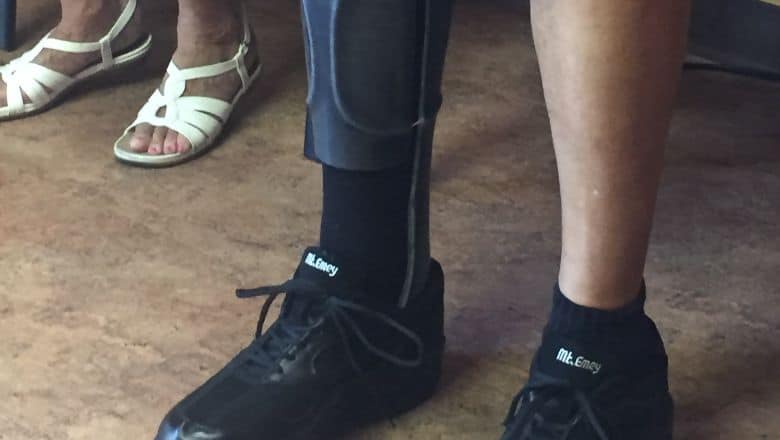
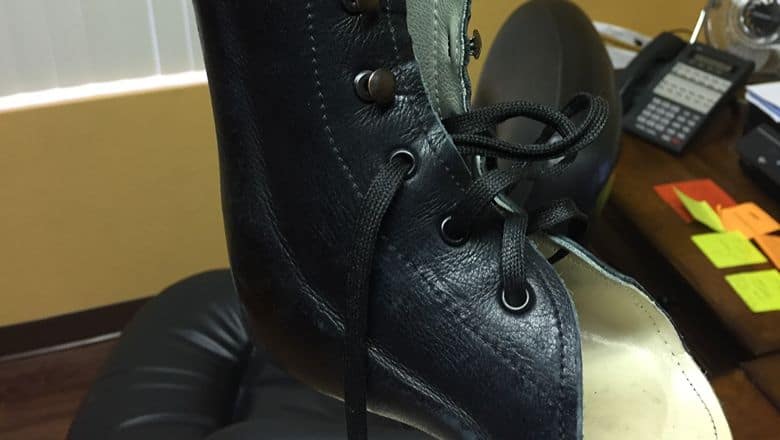
If you’ve recently received custom orthotics, you may be wondering why they feel different than your regular insoles. Is a little soreness normal? How long does it take before they feel comfortable? Should you wear them all day right away?
The good news is that a short break-in period is completely normal for most people. Just like a new pair of athletic shoes or starting a new exercise routine, your feet, ankles, knees, and even your hips may need time to adapt to improved alignment and support.
At Evolve Prosthetics & Orthotics, we help patients throughout Henderson and Las Vegas understand exactly what to expect after getting orthotics. With the right guidance and a gradual adjustment plan, you can transition comfortably and begin enjoying the long-term benefits of your custom orthotic inserts.
Why Custom Orthotics Feel Different At First
Experts explain that custom orthotics aren’t one-size-fits-all products – they’re personalized medical devices. Similar to prescription medication, the best results come from choosing the right solution for your unique condition. A professional evaluation helps ensure your orthotics provide the proper support, alignment, and long-term comfort.
Unlike over-the-counter insoles, custom orthotics are designed specifically for your feet, gait, and biomechanics. Their purpose isn’t simply to cushion your feet – they’re made to improve alignment, distribute pressure more evenly, and support healthier movement patterns.
Because they’re correcting the way your feet function, it’s common to notice that walking feels different during the first several days.
Understanding The Break-In Period For Custom Orthotics
As your body begins adjusting to custom orthotics, muscles, tendons, and joints start working in slightly different ways. This transition is exactly why most providers recommend a gradual adjustment period instead of wearing your orthotics all day immediately.
Every person adapts differently, but most people become comfortable wearing their custom orthotic inserts within one to three weeks. Your exact timeline depends on several factors.
- Your Foot Condition
- Your Activity Level
- The Amount Of Correction Your Orthotics Provide
- Whether You’ve Worn Orthotics Before
- How Consistently You Follow Your Recommended Orthotics Wearing Schedule
The goal isn’t to rush the process. Instead, you want to allow your body time to gradually adjust while monitoring your comfort.
A Gradual Orthotics Wearing Schedule Helps Your Body Adapt
One of the best ways to make breaking in orthotic inserts easier is by slowly increasing wear time each day. You may find that this gradual approach makes getting used to orthotics much easier while minimizing unnecessary soreness.
A gradual approach is usually the most comfortable way to adjust to your new orthotics. Many providers recommend wearing your custom orthotics for just one to two hours on the first day, then increasing your wear time by an hour or two each day as your body adapts. Throughout the break-in period, pay attention to how your feet feel and don’t hesitate to remove your orthotics if you experience more than mild discomfort.
Wearing supportive shoes that properly accommodate your custom orthotic inserts will also help improve comfort and effectiveness. Most importantly, continue following your provider’s recommendations and schedule a follow-up appointment if your orthotics continue to feel uncomfortable or don’t seem to fit quite right after the adjustment period.
Mild Orthotic Discomfort Can Be Normal
Many patients worry that any soreness means something is wrong. In reality, mild orthotic discomfort is often a normal part of the adjustment process. Because your orthotics are encouraging healthier foot alignment changes, different muscles and joints may temporarily work harder than they’re accustomed to.
These symptoms usually improve as your body adapts. However, significant pain, numbness, blistering, or persistent discomfort should never be ignored.
- Mild Foot Fatigue
- Slight Arch Soreness
- Temporary Calf Tightness
- Minor Ankle Or Knee Awareness
- A Different Walking Sensation
When Orthotics Causing Soreness May Mean An Adjustment
Although some soreness is expected, your orthotics should never cause severe or ongoing pain. If orthotics causing soreness continue beyond the expected adjustment period, your orthotist can often make small modifications that dramatically improve comfort.
Signs Your Orthotics May Need To Be Adjusted
- Pain becomes worse each day instead of improving.
- You develop blisters or pressure sores.
- Your orthotics shift or slide inside your shoes.
- Walking becomes increasingly difficult.
- Pain lasts beyond the normal break-in period.
- Your shoes no longer fit properly with the inserts.
At Evolve Prosthetics & Orthotics, follow-up adjustments are an important part of the fitting process because even small refinements can make a significant difference.
The Orthotic Fitting Process Doesn’t End On Delivery Day
Receiving your inserts is only one step in the orthotic fitting process. Your body changes over time, and your orthotics should continue supporting you as your needs evolve. Follow-up appointments allow your provider to evaluate how you’re walking, identify pressure points, and make adjustments that optimize comfort and performance.
Getting Custom Orthotics, What To Expect
- Initial Gait Evaluation
- Foot Measurements & Alignment Assessment
- Custom Fabrication
- Personalized Fitting Appointment
- Follow-Up Evaluations & Adjustments
- Long-Term Monitoring As Needed
This ongoing approach helps ensure your orthotics continue delivering the support your body needs.
Patience Today Leads To Long-Term Comfort Tomorrow
It’s important to remember that custom orthotics are designed to provide long-term benefits – not instant results.
Giving your body time to adapt allows your muscles, joints, and connective tissues to gradually accommodate healthier movement patterns. In many cases, the short adjustment period is well worth the lasting improvements in comfort, stability, and mobility.
If questions arise during the process, don’t hesitate to reach out to your orthotist. Small adjustments early on can make your transition much smoother.
Frequently Asked Questions About Custom Orthotics
Most people adjust within one to three weeks, although this varies depending on the individual and the amount of correction provided.
Yes. Mild soreness or muscle fatigue can be normal as your body adjusts to improved alignment. Severe or worsening pain should be evaluated.
No. Most providers recommend following a gradual orthotics wearing schedule that slowly increases daily wear time.
Persistent discomfort may indicate that your orthotics need an adjustment. Your orthotist can often modify the fit to improve comfort.
Yes. Because they improve foot alignment changes, your gait may feel different at first before becoming more natural and comfortable.
Find Comfortable, Custom Orthotics In Henderson & Las Vegas
The right orthotics should support your feet – not make daily life more difficult. At Evolve Prosthetics & Orthotics, we create custom orthotic inserts designed specifically for your feet, your lifestyle, and your mobility goals. From your initial evaluation through follow-up adjustments, we’re committed to helping you achieve lasting comfort and healthier movement.
Whether you’re experiencing foot pain, recovering from an injury, or simply looking for better support throughout your day, our team is here to guide you through every step of the process.
Schedule your consultation today to learn more about custom orthotics in Henderson and Las Vegas.