If you’re dealing with foot pain, knee strain, or lower back discomfort, you’ve probably heard the advice, “You need orthotics.” Unfortunately, you’ve probably also heard the opposite:
“Orthotics don’t really work.”
“They’re just expensive shoe inserts.”
“Are orthotics a scam?”
With so many conflicting opinions, it’s fair to ask: Do orthotics really work? Let’s separate fact from fiction and break down the orthopedic inserts truth vs. myth so you can make an informed decision about your own care.
So, Do Orthotics Really Work? (The Honest Answer)
Yes, a good set of orthotics can be highly effective when prescribed for the right biomechanical issue and properly fitted. Orthotics are not a cure-all, but when pain is caused by mechanical misalignment, pressure imbalance, or gait dysfunction, orthotics can significantly improve your comfort and movement.
What Determines The Effectiveness Of Orthotics?
- The Condition Being Treated
- The Quality Of Evaluation
- Whether They Are Custom Or Generic
- Proper Fit & Follow-Up Care
Myth #1: Orthotics Don’t Really Work
This is the most common orthotic misconception. The Journal of the American Academy of Orthopaedic Surgeons states that these opinions often come from someone who tried store-bought inserts unsuccessfully. When orthotics are matched to the correct diagnosis, they absolutely work.
What Orthotics Are Designed To Do
- Improve Foot Alignment
- Reduce Abnormal Motion (Overpronation Or Supination)
- Redistribute Pressure Points
- Decrease Strain On Joints & Tendons
- Improve Shock Absorption
Orthotics Are Effective For Many Conditions
Cleveland Clinic recommends orthotics for many painful foot and ankle conditions, including
- Bunions (Hallux Valgus), Corns & Calluses
- High-Arched & Flat Feet
- Foot Tendonitis
- Forefoot Pain (Metatarsalgia)
- Hammertoes
- Morton’s Neuroma & Plantar Fasciitis
- Patellofemoral Pain Syndrome (Runner’s Knee)
- Sprained Ankle
- Stiff Big Toe (Hallux Rigidus)
Myth #2: Custom Orthotics Vs. Store-Bought Are Basically The Same
This myth is responsible for much of the confusion around orthotics effectiveness. Over-the-counter inserts are designed for general comfort. Custom orthotics are medical devices designed specifically for your anatomy and movement patterns. If you’ve tried generic inserts and felt disappointed, that doesn’t mean orthotics don’t work. It means you likely didn’t receive a truly custom solution.
Custom Orthotics Vs. Store Bought: What’s the Real Difference?
- Custom Devices Are Molded To Your Feet
- They Address Your Specific Gait Abnormalities
- Materials Are Selected For Durability & Biomechanical Correction
- Adjustments Can Be Made Over Time
- They Are Designed For Long-Term Orthopedic Alignment
The American Podiatric Medical Association supports the use of custom orthotics because they are tailored to your unique foot structure, built from durable materials, and designed to provide consistent, reliable support.
Myth #3: Orthotics Are Only For Foot Pain
This is one of the biggest foot support myths explained. Your feet are the foundation of your entire kinetic chain. When alignment at the foot is off, stress travels upward.
When Orthotics Actually Help Beyond The Feet
- Knee Pain Linked To Overpronation
- Hip Strain Due To Gait Imbalance
- Lower Back Discomfort From Poor Shock Absorption
- Achilles Tendon Stress
- Fatigue From Prolonged Standing
Pain relief with orthotics often occurs not just in the foot, but in the joints above it as well.
Myth #4: Needing Orthotics Means Your Feet Are Weak
Custom shoe inserts do not “make your feet lazy.” They do not replace muscle function. They optimize mechanical alignment.
Benefits Of Orthotics That Support Strength
- Reduce Excessive Joint Strain
- Improve Movement Efficiency
- Allow Muscles To Work In Better Alignment
- Decrease Compensatory Patterns
- Support Healing During Rehabilitation
Orthotics are a tool – not a crutch. When combined with strengthening and mobility work, they enhance overall function.
Myth #5: Orthotics Are A Scam
The “are orthotics a scam” concern usually comes from poor experiences, not from evidence. If someone recommends orthotics without explaining why, that’s a red flag – not the treatment itself.
Why Your Orthotics Feel Like They Aren’t Working
- There Was No Proper Biomechanical Assessment
- The Device Wasn’t Truly Custom
- No Follow-Up Adjustments Were Offered
- Expectations Weren’t Explained Clearly
What A Reputable Orthotics Provider Will Explain
- Whether You Actually Need Orthotics
- When Orthotics Actually Help & When They Won’t
- What Results Are Realistic
When Orthotics Don’t Work
If your provider can clearly tell you when orthotics are not appropriate, that’s a sign of credible care. This is where honesty builds trust.
When Orthotics May Not Be Your Best Option
- Pain Is Primarily Nerve-Related
- The Condition Is Inflammatory Or Systemic
- The Issue Is Improper Footwear Alone
- Strength Deficits Are The Primary Cause
- Surgery Or Medical Treatment Is Required
Do You Really Need Orthotics?
Not everyone does. A comprehensive orthotic evaluation determines whether orthotics are the right solution, or whether another treatment approach would be more effective.
Signs Orthotics May Be Helpful
- Structural Alignment Differences
- Flat Or High Arches
- Overpronation
- Repetitive Stress Injuries
- Chronic Biomechanical Overload
What Increases The Effectiveness Of Custom Orthotics?
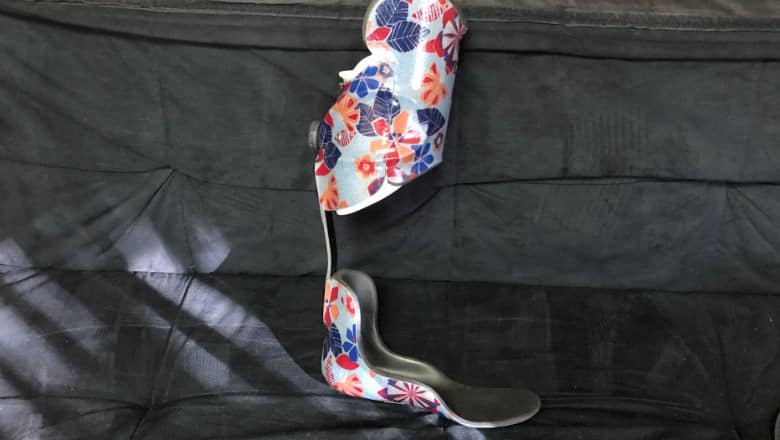
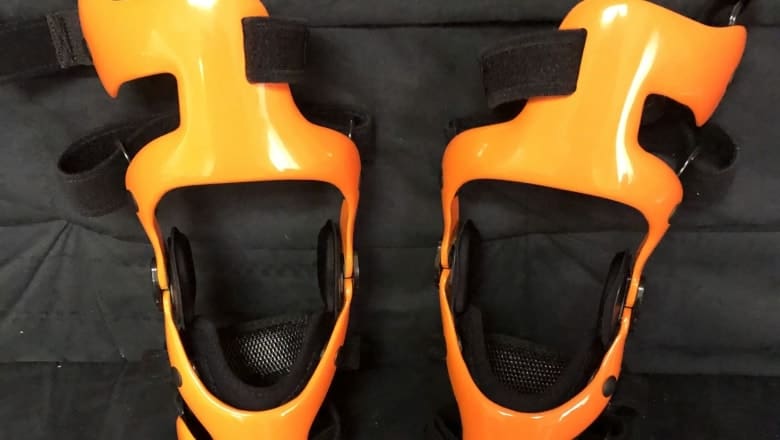
Orthotics are not “one and done.” They evolve with your body and activity demands. The American Academy of Orthopaedic Surgeons notes that orthotics can effectively support conditions like flat feet, relieve arthritis pain, prevent ankle sprains, and reduce heel stress. But success depends on targeted inserts and braces custom designed for specific conditions.
Key Success Factors
- A Full Biomechanical Assessment Is Performed
- Gait Analysis Identifies Mechanical Faults
- Materials Match Your Activity Level
- The Device Is Gradually Broken In
- Follow-Ups & Adjustments Are Included
Get Fitted For Custom Orthotics In Las Vegas
If you’re unsure whether orthotics are right for you, a professional evaluation can clarify your options. At Evolve Prosthetics & Orthotics, we take the time to assess how you move before recommending any device. If orthotics will help, we’ll explain why. If they won’t, we’ll tell you that too. Schedule a consultation today and get clear answers, not myths.