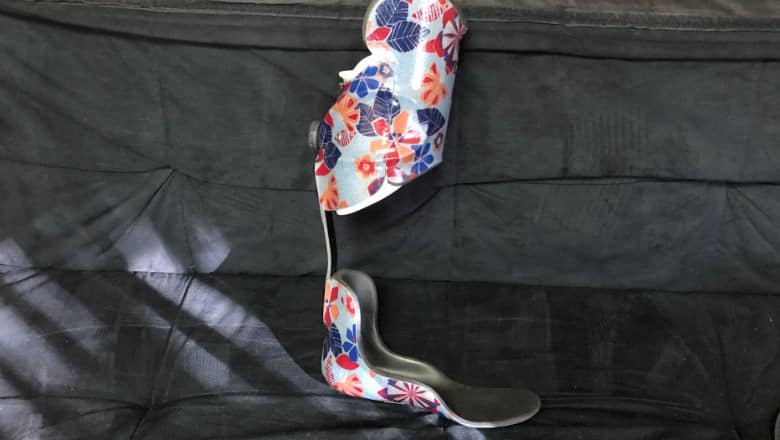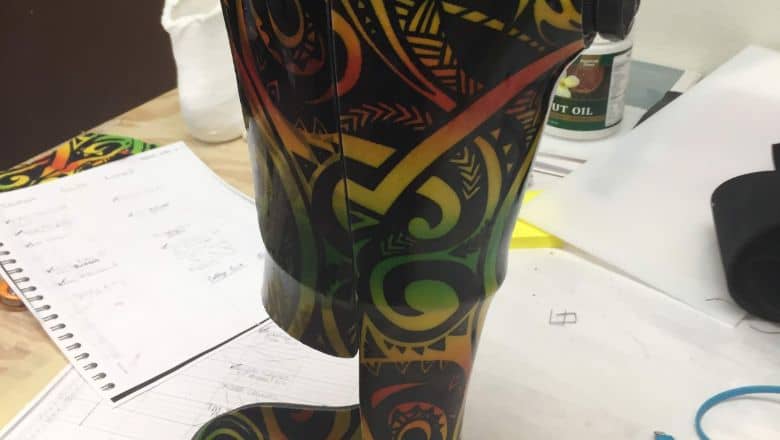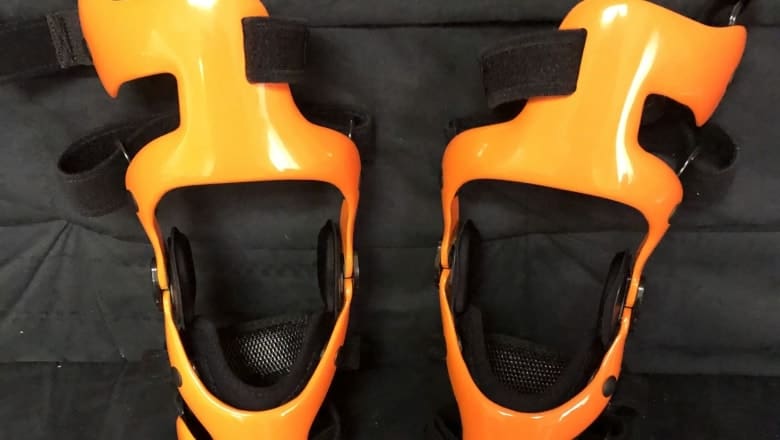
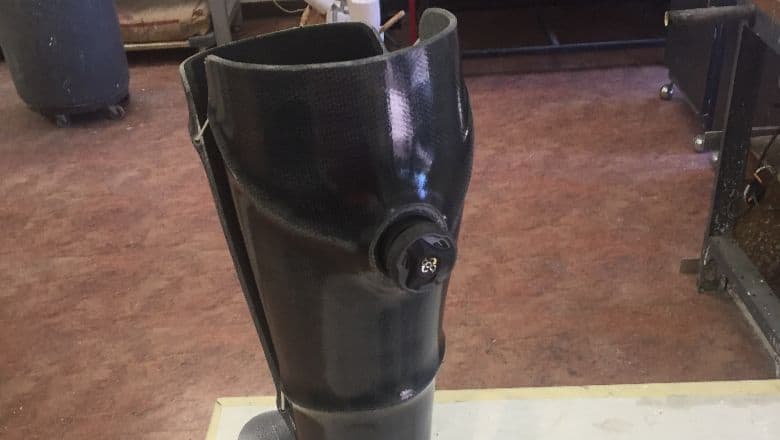
Winter weather can challenge anyone’s mobility—but for individuals who rely on orthopedic support, cold temperatures, slick surfaces, and joint stiffness can create even bigger obstacles. That’s why more patients and clinicians turn to carbon fiber braces for cold-weather stability and long-lasting comfort. Strong, flexible, and engineered for performance, carbon fiber is one of the most trusted durable leg brace materials for people who want to stay active, safe, and confident through the winter season.
Did You Know? According to the American Journal of Sports Medicine, skiers not wearing knee braces were 2.74 times more likely to suffer an ACL injury than skiers wearing orthotics.
Why Winter Conditions Demand Better Brace Performance
Both Harvard Health and Cleveland Clinic agree, as temperatures drop, muscles and joints stiffen—a natural physiological response that can make walking and standing more difficult. Many patients experience increased cold-weather joint pain, swelling, and fatigue.
Mobility Challenges In Winter Environments
- Slippery Sidewalks
- Uneven Snowpack
- Bitter Winds That Strain Joints
- Moisture Exposure That Can Affect Lower-Quality Materials
Due to these factors, you’ll want to find orthotic braces for winter mobility that can withstand cold temperatures without losing performance. Carbon fiber stands out by offering dependable support and natural movement, even when the weather is unpredictable.
The Material Advantage: What Makes Carbon Fiber Different
Carbon fiber is created by weaving thin carbon strands and binding them with a high-strength resin. This creates an ultralight yet incredibly strong frame—perfect for applications like aircraft, performance vehicles, and high-level medical devices such as carbon fiber orthopedic braces. With this kind of engineering, carbon fiber bracing technology delivers reliable performance where other materials often fall short.
Winter-Performance Benefits
- Temperature-Resistant Orthotic Materials Maintain Stability
- Lightweight Structural Integrity Supports Extended Wear
- High Flex Strength For Smoother Stride Patterns
- Consistent Function Regardless Of Ice, Cold, Or Moisture
Research from mobility manufacturer Össur highlights that carbon fiber’s unique ability to store and release energy makes it an exceptional material for orthotic design. Because it delivers true energy return with every step, users often experience a smoother, more efficient gait—especially in demanding conditions like winter terrain.
Cold Weather Stability For Carbon Fiber
If you’ve ever wondered how braces perform in cold weather, carbon fiber offers one of the most impressive answers. Unlike metal or some plastics, carbon fiber does not expand, contract, or stiffen dramatically when exposed to low temperatures.
What This Means For You
- Your brace maintains a consistent fit.
- The frame stays supportive rather than rigid.
- The structure resists cracking from thermal stress.
- Energy return remains high, helping reduce fatigue.
According to the medical technology company Enovis, carbon fiber braces are built to handle high-impact movement while remaining extremely lightweight and low-profile. Their slim construction fits comfortably under winter clothing, including ski and snowboard gear, without adding bulk. This makes carbon fiber support ideal for long days on the slopes, providing reliable protection and stability even in rugged, fast-changing conditions.
Carbon Fiber Vs. Metal Braces In Winter
When comparing carbon fiber vs. metal braces in winter, carbon fiber almost always outperforms traditional steel or aluminum devices. If you spend time outdoors—whether walking pets, commuting, or enjoying winter sports—a lightweight winter brace with carbon fiber support is a practical and comfortable upgrade.
Metal Braces
- Become Cold To The Touch
- Transfer Freezing Temperatures Directly To The Skin
- Stiffen Or Feel Heavier In Cold Weather
- Corrode When Exposed To Snow, Salt, Or Moisture
Carbon Fiber Braces
- Don’t Conduct Cold The Same Way Metal Does
- Offer Stable, Predictable Cold Weather Carbon Fiber Brace Performance
- Resist Rust & Corrosion
- Stay Lightweight & Flexible Even In Freezing Temperatures
It’s no wonder popular orthotics brands, like Össur, rely on carbon fiber for their snowboarding and skiing knee sports braces. Made for reliable comfort and impact resistance, you get the performance you want with the protection you need from common injuries, like ACL tears.
Brace Performance In Snow & Ice: What To Expect
Winter surfaces can be unpredictable. Carbon fiber braces are engineered to help you stay steady. Because carbon fiber responds well to ground forces, a carbon fiber leg brace supports better foot placement, push-off, and energy return on slick surfaces. This makes carbon fiber ideal for individuals seeking winter safety and mobility devices that help protect joints and prevent falls.
- Improved Stride Confidence On Icy Sidewalks
- Better Alignment That Reduces Slipping Risk
- Less Fatigue From Walking In Heavy Winter Gear
- More Stability During Daily Routines Like Grocery Shopping, Commuting, Or Navigating Parking Lots
Lower Extremity Review references a Swedish study showing that using a carbon-fiber AFO increased walking speed by roughly 20% while reducing the overall energy cost of movement. This finding further supports the value of carbon fiber for anyone seeking efficient, low-fatigue mobility – especially in cold-weather environments where energy conservation matters.
Supporting Joint Comfort In Low Temperatures
A well-fitted carbon fiber orthopedic brace provides structured cold weather joint support, helping keep the limb aligned and reducing strain caused by slippery or uneven surfaces.
Meaningful Improvements In Arthritis, Tendon Injuries & Chronic Instability
- Joint Warmth & Circulation
- Shock Absorption
- Pain Management
- Everyday Walking Confidence
Paired with the right socks, liners, and winter footwear, carbon fiber braces can help significantly reduce cold weather joint pain by minimizing unnecessary pressure on vulnerable joints.
Orthopedic Brace Winter Tips
Even though carbon fiber is robust, winter conditions still require proper care. Follow these orthopedic brace winter tips to keep your device at its best.
How To Care For Your Device
- Wipe your brace after exposure to snow and slush to prevent buildup.
- Avoid sudden temperature changes, such as leaving it in a freezing car overnight.
- Check straps and padding, which are more affected by cold than the carbon frame.
- Layer properly —moisture-wicking socks and liners help maintain skin comfort.
- Schedule a winter fit check if swelling or tightness changes in colder months.
With these steps, your carbon fiber brace’s winter performance stays reliable all season long.
Why Choose A Custom Carbon Fiber Brace For Winter?
We specialize in prosthetic and orthotic devices for all climates, ensuring every device is engineered for strength, comfort, and safety during winter’s most challenging conditions. Custom fabrication means your brace is uniquely built around your anatomy, lifestyle, and winter mobility needs.
Why Upgrade To A Carbon Fiber Orthopedic Brace?
- Maximum Durability
- Minimal Bulk Under Winter Clothing
- A Brace That Holds Up In Snow, Ice & Repeated Temperature Shifts
- Better Shock Absorption On Hard, Frozen Ground
Explore Custom Carbon Fiber Orthotic Braces In Las Vegas
If you’re ready to experience better mobility in winter weather, Evolve Prosthetics & Orthotics is here to help. We design custom carbon fiber leg braces tailored to your needs, activity level, and cold climate challenges. Contact us today to schedule your consultation and discover how carbon fiber can improve your winter mobility.