The right choice depends on how much support you need. A custom sports brace may be appropriate when your anatomy, injury, sport, or stability needs require more individualized support and a precise fit.
At Evolve Prosthetics & Orthotics in Las Vegas, we provide sports braces designed to support joints during training, rehabilitation, and a safe return to activity. When bracing is appropriate for your injury, the right brace can stabilize your joint and support ligaments as you rebuild strength and confidence.
Preseason Training Can Challenge A Previously Injured Joint
Preseason conditioning prepares you for competition. That usually means increasing the frequency, speed, intensity, or duration of your workouts. After an offseason or injury recovery period, your muscles and movement patterns may not yet be prepared for those demands.
A previous ankle sprain, knee ligament injury, or other athletic injury may also leave behind changes in strength, balance, proprioception, or joint stability. This is why preseason injury prevention should focus on more than simply getting back into shape. Your plan should prepare your body for the exact movements your sport requires.
Sports Braces Add Support Where You Need It Most
Sports braces are used across a wide range of activities, from basketball and soccer to running, skiing, and recreational exercise. Orthopedic bracing manufacturer DonJoys highlights the role of joint support and stabilization for athletes participating in both contact and non-contact sports.
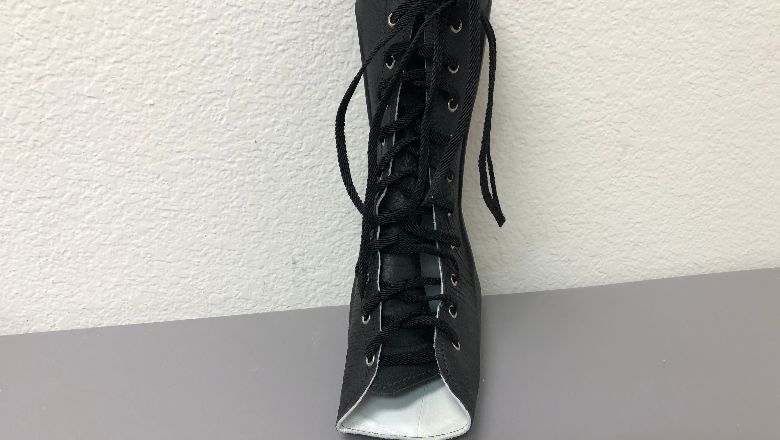
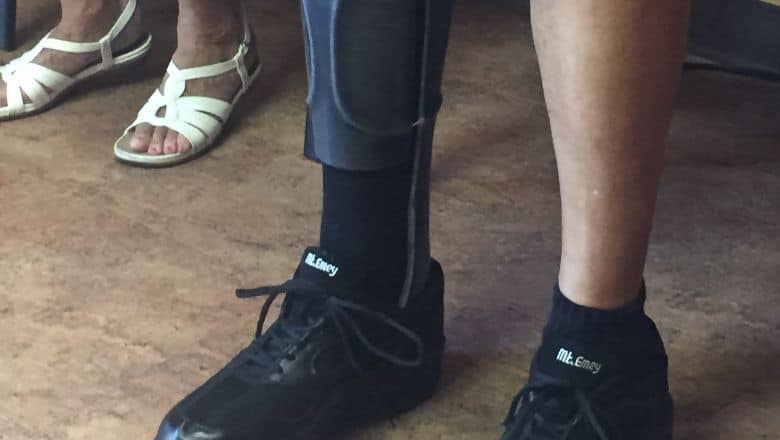
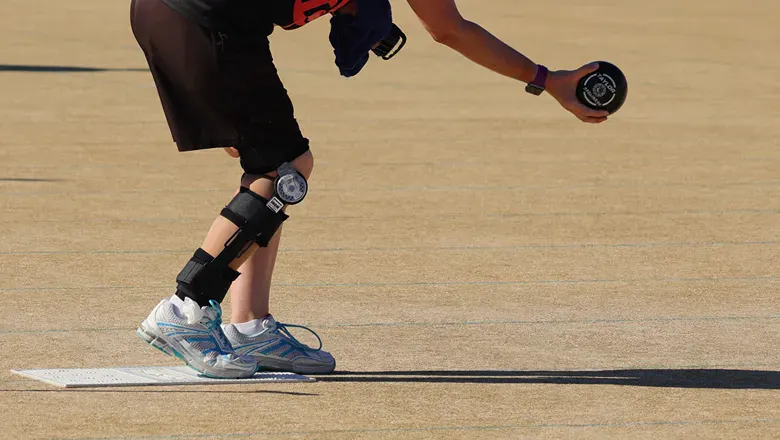
A sports injury brace provides external support to a joint while still allowing appropriate movement. Depending on the design, athletic braces may limit unwanted motion, improve stability, or provide additional sensory feedback about joint position.
For example, an ankle brace may help control excessive inversion after an ankle sprain. A knee brace may provide targeted support for certain ligament or joint conditions. The goal is not to make a joint completely rigid. A properly selected brace should support safer movement for your specific injury, activity, and stage of recovery.
The Evidence Behind Ankle Braces For Reducing Repeat Sprains
Ankle sprains are one area where bracing has particularly useful evidence. Clinical literature shows that ankle bracing can reduce recurrent sprains in athletic populations, making it an important option for athletes with a history of ankle instability.
A 2024 systematic review in the Journal of Clinical Medicine found that ankle bracing and targeted ankle stability exercises effectively prevented injury in competitive basketball players. The review also highlighted the value of neuromuscular training for reducing general injuries and ACL injuries.
This matters because a previous ankle sprain is itself an important risk factor for another sprain. Returning to fast changes of direction before strength, balance, and neuromuscular control have recovered may increase that risk. Ankle orthotics and bracing can become one part of a broader plan for returning to activity safely.
Knee Bracing Requires A More Individual Approach
Don’t assume every previous injury requires a brace. Current American Academy of Orthopedic Surgeons guidance, for example, does not recommend routine functional knee bracing after an isolated primary ACL reconstruction because available evidence has not demonstrated a clinical benefit.
A knee brace may be appropriate for certain injuries or individual circumstances, but it should not replace rehabilitation, strength training, neuromuscular work, or a clinician-directed return-to-play plan. Your orthotist, physician, and rehabilitation team can help determine whether bracing makes sense for your situation.
A Brace Should Be Part Af Your Return-To-Play Plan
If your goal is to prevent sports reinjury, think of your brace as one tool, not your entire strategy. Returning safely requires rebuilding the physical abilities that your sport demands.
A comprehensive return-to-play plan may address strength, range of motion, balance, endurance, coordination, and confidence. Functional testing may also be appropriate after certain injuries. For ACL reconstruction for example, AAOS notes that functional evaluation, such as a hop test, may be considered as one factor when determining return to sport.
Preseason Conditioning Should Rebuild Sport-Specific Movement
General fitness is valuable, but your body also needs practice handling the movements it will encounter during competition. A soccer player needs to tolerate cutting and sudden changes of direction. A basketball player needs repeated jumping and control on landing. A football player may need to accelerate, decelerate, and prepare for contact.
Your preseason conditioning should progress toward these demands rather than jumping directly into full-intensity practice. Sports injury rehabilitation and physical therapy may help you restore the movement quality and strength needed before returning to high-impact activities.
Build A Safer Preseason Training Routine
A thoughtful preseason program may include several layers of sports injury prevention.
- Increase training volume and intensity gradually, not all at once.
- Include strength work for the muscles that support previously injured joints.
- Practice balance, proprioception, and neuromuscular control.
- Reintroduce cutting, pivoting, jumping, and landing in controlled stages.
- Follow your healthcare provider’s return-to-play recommendations.
- Wear prescribed braces for sports injuries as directed.
- Allow enough recovery time between demanding training sessions.
- Report new pain, swelling, instability, or changes in movement early.
These steps work together. Bracing provides support when appropriate, while conditioning prepares your body to manage athletic loads on its own.
Custom Sports Braces Address Your Specific Injury & Sport
The brace that works for one athlete may not be right for you. Your injury history, anatomy, position, sport, activity level, and movement patterns all shape the support you need.
A custom-fitted orthopedic brace is designed around those individual factors. At Evolve Prosthetics & Orthotics, custom orthotic solutions let us evaluate the support you need while considering how the brace will function in real-world movement.
Brace Fit & Alignment Matter During Fast Movement
A brace that shifts while you’re running or cuts into your skin during drills may become a distraction instead of useful support. Proper brace fit and alignment keep the intended support in the right place as you move.
Fit also deserves another look when your body changes. Muscle development, swelling, weight changes, growth in younger athletes, or changes in your injury may alter how an older brace fits. Orthotic adjustments can fix fit issues instead of making you tolerate an uncomfortable device.
Youth Athletes Need Extra Attention As They Grow
Young athletes may return to sports with plenty of enthusiasm before their bodies are fully prepared for the workload. Growth adds another consideration because a brace that fit correctly last season may not provide the same support this year.
Parents and athletes should check for pressure areas, slipping, worn straps, or changes in comfort before preseason practices begin. Pediatric orthotics may need reevaluation as a young athlete grows or as recovery progresses.
Your Brace Should Be Checked Before The Season Starts
Preseason is an ideal time to inspect an existing athletic brace. Don’t wait until the first game to find out a strap has stretched, the padding has worn down, or the brace no longer fits properly.
Signs Your Sports Brace Needs Professional Attention
Schedule a brace evaluation if you notice any of these changes.
- The brace slides, rotates, or shifts during movement.
- Straps no longer maintain consistent tension.
- Padding or liners appear compressed, torn, or worn.
- You develop rubbing, redness, or new pressure points.
- The joint feels less stable than before.
- Your body or activity level has changed since the brace was fitted.
- The brace interferes with your normal sports-specific movement.
A professional evaluation can determine whether your brace needs an adjustment, replacement parts, or a different design.
A Brace Is Not Permission To Rush Recovery
Returning after a sports injury can make you cautious about planting, landing, or changing direction. An appropriately prescribed brace may provide support as you rebuild confidence, but feeling protected doesn’t mean the joint is ready for every activity.
Before returning to competition, it’s worth discussing whether aids like ankle braces interfere with athletic performance or replace the need for rehabilitation. Sports training resources, including the publication Training & Conditioning, address common concerns about ankle bracing and repeat injuries.
Your return should still follow medical and rehabilitation guidance. Pain, repeated swelling, instability, or a decline in function are reasons to stop and check in with your healthcare team rather than using the brace to push through symptoms.
Preventing Reinjury Means Looking Beyond The Brace
The strongest preseason injury prevention strategy combines appropriate equipment with good training habits. Strength, mobility, sleep, recovery, technique, and gradual workload progression all affect how well your body handles the demands of a new season.
This is especially important after a ligament injury. Current evidence supports neuromuscular training for ACL injury prevention, while routine prophylactic knee bracing is not the preferred strategy. That is why Evolve approaches orthopedic sports braces as personalized tools within a larger recovery and performance plan.
Frequently Asked Questions About Sports Braces & Reinjury
It depends on your injury, recovery stage, sport, and healthcare provider's recommendations. Some injuries, including recurrent ankle sprains, may benefit from bracing. Other conditions may not require routine bracing once you meet rehabilitation goals.
Ankle bracing may reduce recurrent ankle sprains in athletes with previous injuries. However, the best approach generally combines appropriate bracing with strength, balance, proprioception, and sport-specific training.
A knee brace is not a universal solution for preventing ACL injury. AAOS does not recommend routine functional bracing after isolated primary ACL reconstruction because evidence has not demonstrated clinical benefit. Your healthcare team can advise you based on your specific injury and circumstances.
Follow the instructions provided for your specific brace and injury. Some athletes may be instructed to wear a brace during certain activities or recovery phases rather than for every type of exercise.
The right choice depends on how much support you need. A custom sports brace may be appropriate when your anatomy, injury, sport, or stability needs require more individualized support and a precise fit.
Don't try to compensate for a poor fit by overtightening straps or changing the brace yourself. Have the device evaluated. Changes in your body, wear, or support needs may mean it needs adjustment or replacement.
Prepare For The Season With Custom Sports Braces In Las Vegas
Preseason is the time to build confidence in your body and make sure your equipment is ready for the demands ahead. If you have a previous sports injury, Evolve Prosthetics & Orthotics can evaluate your current brace or help determine whether a custom sports brace is appropriate for your return to activity.
Our Las Vegas-area team provides personalized fittings, brace adjustments, and orthopedic solutions based on your body, activity, and mobility goals. Whether you’re returning after an ankle sprain, managing joint instability, or preparing for another competitive season, we’ll help you find support designed for the way you move.
Contact Evolve Prosthetics & Orthotics to schedule a sports brace evaluation in Las Vegas today and start preseason training with support tailored to you.