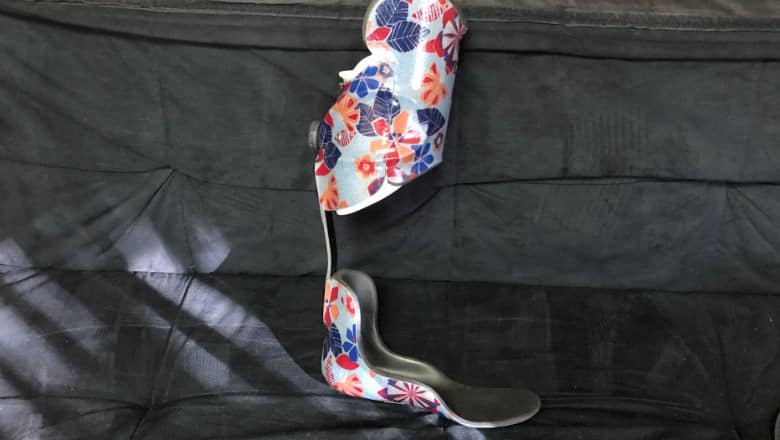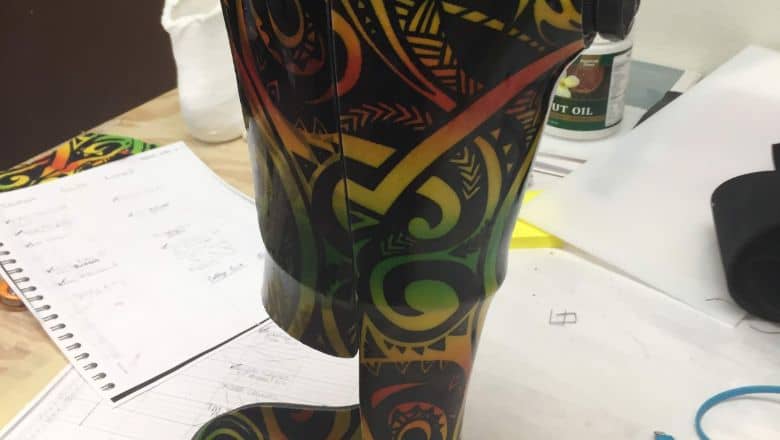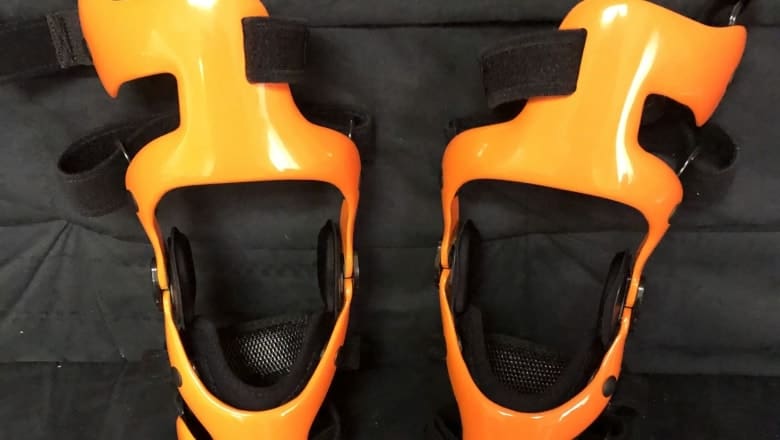
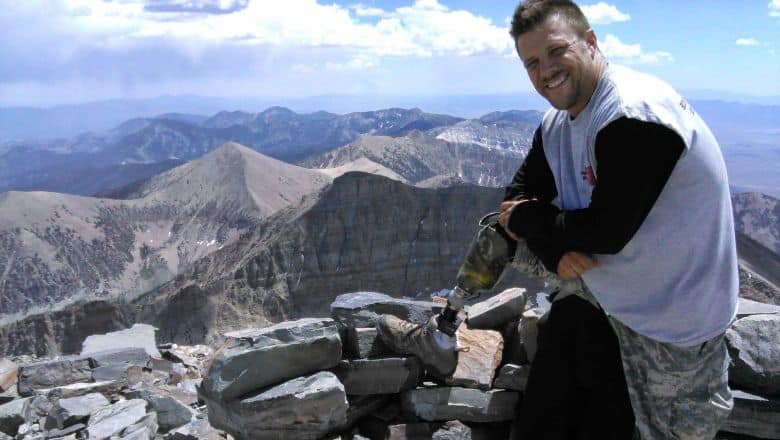
Military service asks everything of you. When that service results in limb loss or mobility challenges, the road forward can feel overwhelming. Custom prosthetic care for veterans is about more than replacing a limb – it’s about restoring confidence, independence, and the ability to live life on your terms.
When Service Changes Your Body, Care Must Rise To The Challenge
Military service injuries are often complex. Combat injuries, training accidents, and service-related conditions can lead to limb loss that requires specialized care. As a veteran, your mobility needs may differ from civilian amputees. That’s why prosthetics for injured veterans must be durable, adaptable, and fully customized – not one-size-fits-all solutions.
- High-Impact Injuries Or Blast Trauma
- Multiple Injuries Affecting Balance Or Gait
- Long-Term Joint Stress From Years Of Service
Common Pain Points Veterans Face When Using Prosthetics
Research within the Department of Veterans Affairs shows that pain and discomfort remain some of the most persistent challenges for veterans with limb loss. In fact, more than seven out of ten veterans with amputations report pain significant enough to limit daily activities. These types of pain can make standing, walking, and wearing a prosthesis for extended periods exhausting – both physically and mentally.
- Residual Limb Pain
- Phantom Limb Pain
- Secondary Musculoskeletal Pain
- Neuropathic Pain
Socket Fit & Skin Issues Can Also Limit Wear Time
Poor socket fit is a common source of prosthetic discomfort among veterans. Because residual limbs change throughout the day, fit issues can lead to skin irritation, breakdown, slippage, and increased risk of infection — limiting how long a prosthesis can be worn comfortably.
Physical Demands Related To Prosthetic Use
When a prosthetic doesn’t keep up with real-world demands, mobility can feel more stressful than empowering. For many veterans, the fastest path to relief starts with socket optimization and ongoing adjustments – because fit is often the root cause of pain, skin breakdown, and instability.
- Device Weight & Fatigue, Especially During Long Days Or High Activity Levels
- Instability Or Fear Of Falling, Particularly On Uneven Terrain Or Stairs
- Component Durability Concerns, Where Parts Wear Out Or Fail Prematurely
What Makes Custom Prosthetics Essential For Veterans
Custom prosthetics are designed specifically around you – your anatomy, your activity level, and your goals. This matters because small fit issues can quickly become pain, skin breakdown, or instability – especially with high activity levels. Whether you’re returning to work, staying active, or simply moving through daily life with less pain, personalized prosthetic limbs offer a foundation for lasting mobility.
- Improved Comfort & Socket Fit
- Better Weight Distribution & Balance
- Reduced Risk Of Skin Breakdown Or Overuse Injuries
- Enhanced Stability For Uneven Terrain & Daily Movement
- A Prosthetic That Evolves As Your Body & Needs Change
Female Veterans Require Specialized Prosthetic Care
According to the U.S. Government Accountability Office, women account for a steadily increasing share of veterans receiving prosthetic services and are typically younger and more active than their male counterparts. Despite this growth, prosthetic care for women veterans continues to face systemic challenges, as many devices are still designed around male anatomy and gait patterns, which can limit fit options, comfort, and long-term joint protection.
Military Prosthetic Solutions Designed for Real Life
Whether you’re navigating job sites, staying active with a growing family, or returning to recreational and athletic pursuits, your military prosthetic solutions must deliver consistent performance, durability, and comfort. Modern prosthetic care offers a wide range of options to meet these needs.
- Knee Prosthetics
- Above-The-Knee Prosthetic Legs
- Ankle Prosthetics
- Foot Prosthetics
- Advanced Myoelectric Prosthetics
- Prosthetic Arms
- Wrist & Hand Prosthetics
How Modern Prosthetic Technology Supports You
Today’s prosthetic technology is engineered to support veterans through high levels of daily activity, long-term wear, and changing environments. This matters because adaptive components can reduce fall risk and conserve energy on real-world terrain. Modern components improve stability, reduce fatigue, and adapt to uneven terrain.
Why Prosthetic Fitting & Care Matter
The prosthetic fitting process plays a major role in comfort, function, and long-term success. For veterans, proper fitting can mean the difference between frustration and freedom. A typical fitting process includes reviewing medical history and service-related injuries, analyzing gait and movement, designing a custom socket, and making refinements based on real-world use. Education on daily care and realistic expectations also helps support long-term comfort and mobility.
Prosthetic needs can change over time as residual limbs shift, activity levels change, and components wear down. Regular follow-up care helps maintain alignment, reduce strain on the body, and prevent small fit issues from becoming larger mobility problems.
VA Approved Prosthetics & Coordinated Care
Navigating benefits and approvals can feel complicated, especially after service. Working with a provider experienced in VA approved prosthetics helps streamline the process and reduce stress. This coordination allows you to focus on recovery and progress – not paperwork.
- Coordinate With The VA & Referral Sources
- Ensure Documentation Meets Requirements
- Align Prosthetic Solutions With Coverage Guidelines
- Advocate For Your Long-Term Mobility Needs
Advanced Socket Technology For Hard-To-Fit Veterans
Some veterans experience ongoing discomfort with traditional rigid socket designs, especially when anatomy or injury patterns make fit more challenging. In these cases, flexible socket systems may improve comfort in sensitive areas while still providing the stability needed for daily activity. Veterans who are often described as “hard to fit,” those with very bony residual limbs, above-knee amputations, or persistent discomfort in the groin or pelvic areas may benefit from exploring alternative socket designs as part of their prosthetic care plan.
Custom Prosthetics For Veterans In Las Vegas
At Evolve Prosthetics & Orthotics, we are proud to support veterans with custom prosthetics designed for real life. From initial evaluation to long-term care, our Las Vegas area team is committed to helping you regain mobility, comfort, and confidence. If your current prosthetic feels uncomfortable, unstable, or no longer fits well, we can help clarify the next best step. Schedule a consultation today and discover how personalized prosthetic care can support your mobility journey.