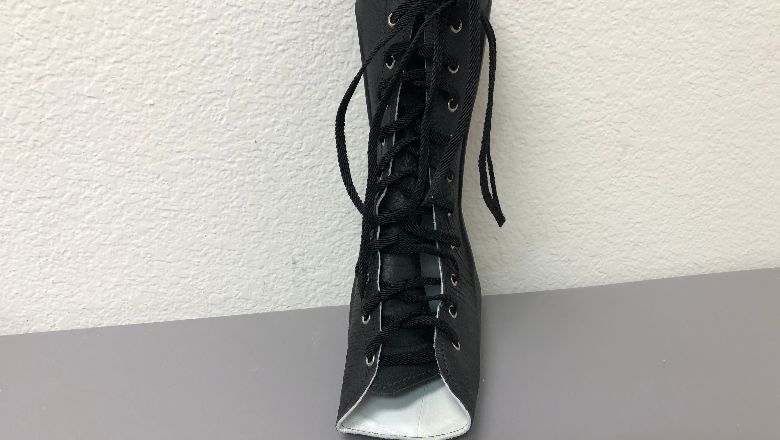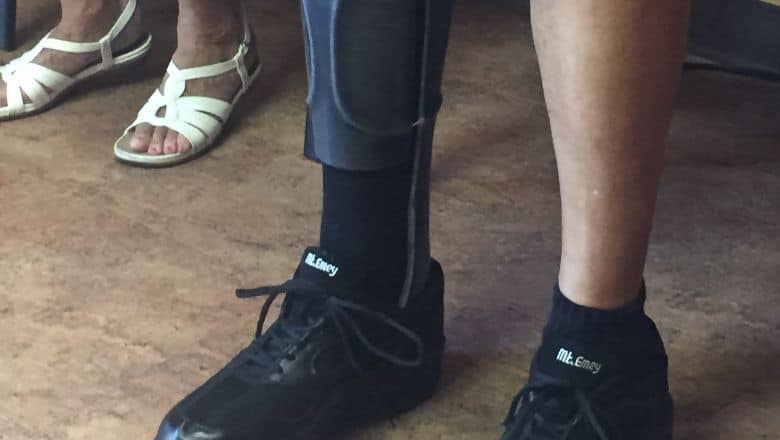
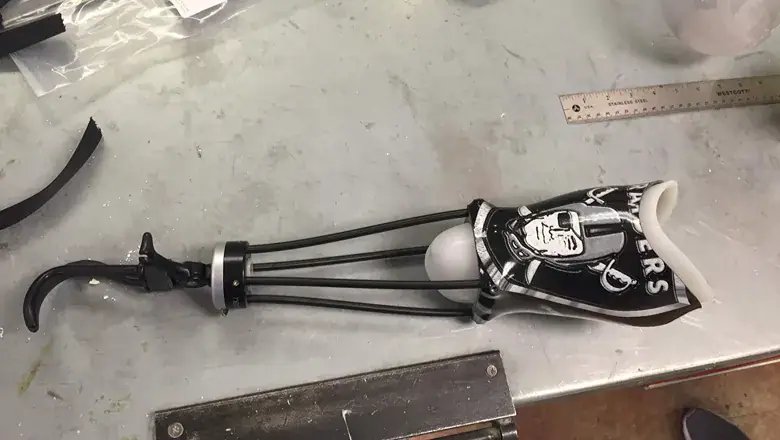
Your prosthesis has carried you through a year of everyday routines, unexpected challenges, and personal milestones. But when was the last time you gave it a thorough check? Even the best custom prosthetics wear out, and changes in your body may affect how your device fits and performs over time.
As the year comes to a close, it’s a great opportunity to review your prosthetic maintenance routine and address small issues before they become bigger problems.
Why End-of-Year Prosthetic Maintenance Matters
Your prosthesis is designed to support your mobility, but daily use gradually affects its components. At the same time, changes in your residual limb, activity level, and physical condition may influence how your device fits.
The Amputee Coalition recommends regularly inspecting your prosthesis for unusual wear and reporting concerns promptly to your prosthetist.
An end-of-year prosthetic inspection helps identify wear, fit issues, and maintenance needs before they disrupt your routine. It’s also an opportunity to prepare your prosthesis for any new activities or mobility goals you have planned.
1. Check Your Prosthetic Socket For Changes In Fit
Your prosthetic socket creates the connection between your residual limb and prosthesis. Throughout the year, weight changes, muscle development, and fluid fluctuations may alter how securely it fits.
A loose prosthetic socket may allow excessive movement and friction, while a tight socket may create pressure points or discomfort. If you notice slipping, pinching, or changes in how your limb sits in the socket, a custom prosthetic fitting evaluation can help determine whether adjustments are needed.
2. Inspect Your Prosthetic Liners & Suspension System
Your prosthetic liner provides cushioning and helps protect your skin from friction. Check for thinning, tears, cracks, or stretching that may reduce its effectiveness. A worn liner may need replacement even when the rest of your prosthesis remains in good condition.
Your prosthetic suspension system also deserves attention. Whether your device uses suction, a pin-lock mechanism, a suspension sleeve, or elevated vacuum, it should remain secure during movement. Slipping or rotation may indicate a problem with the liner, suspension components, or socket fit.
3. Look For Wear & Tear On Prosthetic Components
Daily walking, standing, and exercise place ongoing demands on your prosthesis. Over time, straps, covers, joints, and other components may show signs of wear. Look for visible cracks, fraying, loose or damaged parts, and unusual changes in movement.
New clicking, grinding, or squeaking sounds may also signal a problem that requires professional attention.
Avoid tightening structural fasteners, changing alignment settings, or attempting prosthetic repairs yourself. Your prosthetist can inspect the components and determine whether maintenance, repair, or replacement is appropriate.
4. Review Your Residual Limb & Skin Health
Healthy skin is essential for comfortable prosthetic use. As part of your daily residual limb care routine, check for redness, blisters, calluses, swelling, or tender areas. Pay close attention to irritation that keeps developing in the same spot. Persistent redness or skin breakdown may indicate excessive pressure or friction from your socket or liner.
If you develop open sores, worsening irritation, or unusual swelling, stop wearing the prosthesis and contact your healthcare team for guidance. Addressing the underlying cause is important before returning to normal wear.
5. Pay Attention To Changes In Your Walking Pattern
Have you noticed that you’re walking differently than you were earlier in the year? Changes in your gait may develop gradually, making them easy to overlook.
Uneven steps, increased fatigue, difficulty balancing, or new hip and back discomfort may indicate prosthetic alignment issues. These symptoms may also reflect changes in your strength or physical condition.
During a professional evaluation, your prosthetist can observe your gait and assess how your socket and components work together. In some cases, prosthetic rehabilitation or additional gait training may also help improve movement and stability.
6. Consider How Your Activity Level Has Changed
Your prosthesis should support the activities that matter to you. If you’ve returned to work, started exercising, or taken up a new hobby, your device may be handling different demands than it did at the beginning of the year.
An end-of-year appointment is a good time to discuss these changes. Whether you’re interested in longer walks, hiking, fitness activities, or sports prosthetics, your prosthetist can evaluate whether your current components still fit your goals.
7. Refresh Your Daily Prosthetic Cleaning Routine
Consistent cleaning helps protect your skin and maintain your prosthetic materials. Sweat, skin oils, and debris may collect on liners and other surfaces throughout the day.
Follow your prosthetist’s instructions and the manufacturer’s recommendations when cleaning your device. Wash your residual limb and liner as directed, rinse approved cleaning products thoroughly, and allow the liner to dry completely before reuse.
Avoid harsh chemicals, excessive heat, or immersing mechanical and electronic components in water unless they are specifically designed for that exposure.
Your End-Of-Year Prosthetic Maintenance Checklist
Before the new year begins, take a few minutes to review your prosthesis’s condition and performance. This checklist will help you identify anything that deserves attention.
- Socket Fit – Check for looseness, tightness, or changes in pressure.
- Skin Health – Look for recurring redness, blisters, or irritation.
- Liners & Suspension – Inspect for damage, wear, or reduced security.
- Prosthetic Components – Watch for visible damage or unusual sounds.
- Alignment & Gait – Notice changes in balance, walking, or comfort.
- Cleaning – Review your daily hygiene and device care routine.
- Activity Needs – Consider whether your lifestyle or mobility goals have changed.
- Follow-Up Care – Schedule an evaluation for unresolved issues or routine maintenance.
A quick review now may help you avoid unexpected problems when your schedule becomes busy again.
When Should You Schedule A Prosthetic Adjustment?
You don’t have to wait until your prosthesis becomes painful or stops working properly. Persistent discomfort, changes in socket fit, instability, skin irritation, or unusual component wear are all reasons to contact your prosthetist.
During a prosthetic adjustment appointment, your provider may examine your residual limb, assess socket contact, inspect components, and observe your movement. Depending on the findings, your care may involve socket modifications, alignment adjustments, replacement parts, or a new socket.
Plan Ahead For Prosthetic Repairs & Replacement
Some prosthetic components wear faster than others. Liners, sleeves, straps, and other frequently used parts may require replacement before major structural components.
If you’re considering a repair or replacement, it’s also worth reviewing your insurance benefits before the year ends. Coverage requirements, deductibles, authorization procedures, and replacement criteria vary by plan.
Your prosthetist can help identify which components need attention, while your insurance provider can explain applicable coverage and documentation requirements.
Frequently Asked Questions About Prosthetic Maintenance
Your inspection schedule depends on your device, activity level, residual limb changes, and individual care plan. Follow your prosthetist's recommendations and request an earlier evaluation whenever fit or function changes.
Common signs include pressure points, slipping, excessive movement, or discomfort that wasn't present before. A professional fitting evaluation can determine whether an adjustment or replacement is needed.
Routine cleaning, skin checks, and visual inspections are important parts of home care. A qualified professional should handle structural repairs, socket modifications, and alignment changes.
Liner lifespan varies by material, manufacturer, activity level, and care routine. Inspect your liner regularly, and ask your prosthetist when it's time to replace it.
Weight changes may affect residual limb volume and socket fit. If your prosthesis feels tighter, looser, or less stable after a weight change, schedule a fitting evaluation.
Not necessarily. Some fitting issues may be resolved through padding, socket modifications, or suspension changes. More significant residual limb changes may require a new socket without replacing the entire prosthesis.
Start The New Year With Custom Prosthetic Maintenance In Las Vegas
Your prosthesis supports you through countless moments throughout the year. Giving it the attention it needs helps you stay prepared for everything the next one brings.
At Evolve Prosthetics & Orthotics, we provide custom prosthetics, professional fitting evaluations, prosthetic adjustments, and ongoing care for patients throughout Las Vegas and Henderson. Whether you’ve noticed a change in comfort, need a component inspected, or want to make sure your prosthesis is ready for your next set of goals, our team is here to help.
Make your mobility a priority before the year ends. Contact us to schedule a prosthetic maintenance and adjustment appointment and move into the new year with greater comfort and confidence.